Pre-Admission Service
Our Pre-admission Service is here to help you prepare for your hospital stay and support a smooth recovery at home.
Pre-admission support: If you are having major surgery, have multiple health conditions, or may need extra support during your recovery, your specialist may refer you to our Pre-admission Service for additional assessment and planning. We will contact you directly if an appointment is required.
Staying overnight: Our Pre-admission Nurses review the information provided on your pre-admission form and help you plan for your surgery and discharge. Where needed, we may phone you 2–3 days before your procedure to discuss your health history, medications, hospital stay, and recovery plans. We will also advise you about any medications that may need to be stopped before surgery. We do not routinely call all patients prior to surgery.
Hip or knee replacement procedures: You may be invited to attend a Pre-admission appointment in person. During this visit, a nurse will complete a health assessment, which will include a blood pressure check and electrocardiogram test (ECG), and discuss discharge planning and any equipment you may need at home to support your recovery. This may also include an education session with one of our physiotherapists.
We are committed to supporting your individual needs. Please let us know about any cultural, spiritual, accessibility, mental health, neurodiversity, or other requirements so we can help make your stay as comfortable as possible.
If you have any questions about your hospital stay or returning home after surgery, please contact the pre-admission service team on 07 843 1898. We are available Monday to Friday, 8.00am–4.30pm. You are welcome to leave a voicemail or send an email to preadmissionservice@braemarhospital.co.nz and we will respond as soon as possible.
Laboratory Testing
Your specialist will arrange any blood tests required before your surgery.
If there is a possibility you may need a blood transfusion, you may be given a Blood Bank form. The blood test can be completed at any Pathlab and must be done within 72 hours of your surgery.
Reducing the Chance of Infection
Everyone has germs naturally living on their skin and in their nose. Most of the time these germs do not cause any problems.
For some patients, we may ask you to use a special wash or ointment before surgery. This helps lower the number of germs on your body and can reduce the chance of getting an infection after your operation.
If you need to do this, we will provide clear instructions and answer any questions you may have.
Pre-Surgery skin checks for orthopaedic procedures to help prevent infection
If you are having orthopaedic surgery, it is important to check your skin in the days leading up to your surgery. Skin conditions and infections can increase the risk of complications and may result in your surgery being postponed.
Please contact your surgeon rooms if you notice any of the following:
- Cuts, grazes, or open wounds
- Scratches
- Rashes
- Infected-looking spots
- Pimples or acne near the surgical area
To help protect your skin, we recommend avoiding activities that could cause cuts or scratches, such as gardening, tramping, or anything that could cause cuts or scratches for at least two weeks before your surgery. This is an important step in preventing wound and joint infections.
It is also important to contact your specialist if you think you may have a urinary tract infection or a tooth abscess, as these can increase your risk of infection.
If you are unable to reach your specialist, please contact the Pre-admission Service on 07 843 1898 between 8.00am and 4.30pm for advice and support.
Feeling unwell before your procedure?
If you develop a cough, cold, fever, infection, or any other illness before your procedure, please contact your specialist’s rooms as soon as possible for advice. Letting your specialists know early helps them to assess whether it is safe to proceed and may reduce the risk of your surgery being postponed on the day.
If you are unable to reach your specialist, please call Braemar Hospital on 07 843 1899 and ask to speak with the Pre-admission Service between 8.00am and 4.30pm, or the Hospital Co-ordinator after hours.
Arrival Time and Fasting
Your specialist rooms will provide you with important information before your procedure, including:
- Your admission time
- When to stop eating and drinking to ensure your procedure can go ahead as planned
- Specific fasting instructions are required to be discussed with our pre-admission nurses if you are on a GLP-1 medication or have had it within the last 5 weeks.
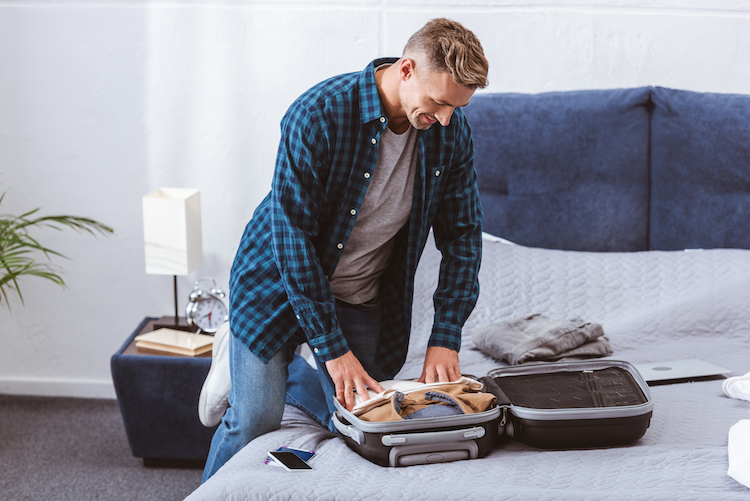
What to bring
For all patients
- You should bring a current list of medications you take. This can be provided by your GP or pharmacist.
- Any medications you will need to take while you are in hospital, such as inhalers, insulin, or other time-critical medicines e.g. Parkinson’s medications.
- Comfortable, loose-fitting clothing. If you are having limb surgery, choose clothing that can easily fit over dressings or bandages. We generally recommend avoiding jeans.
- Footwear that is easy to put on and remove, especially if you are having arm or hand surgery.
- Glasses, hearing aids, and any mobility aids you use.
- Medical alert bracelet or information.
- For your support person, we suggest bringing a snack or packed lunch if they plan to stay. We have barista-style coffee machines, a range of teas, hot chocolate, a snack vending machine and filtered water freely available for you to enjoy.
Staying overnight or longer
- All medications in their original pharmacy containers with prescription labels attached.
- Comfortable day clothes. We encourage patients to get dressed in their own clothes as part of their recovery. Loose, stretchy clothing, elastic waistbands or dresses are ideal for orthopaedic or abdominal surgeries.
- Nightwear, slippers, and a dressing gown
- Toiletries and personal care items
- Your phone, tablet, or other devices and their chargers
- Any sleeping aids, such as a CPAP machine
Avoid wearing makeup. Please remove artificial nails and nail polish before your procedure as this can affect our monitoring devices.
Medications
To help us provide safe and effective care, it is important that you tell your anaesthetist and nursing team about all medications you are currently taking.
This includes:
- Prescription medications in their original containers/packaging
- Inhalers
- Insulin and other diabetes medications
- Weight-loss medications (including GLP-1 medications)
- Oral contraceptives
- Eye drops
- Herbal supplements and remedies
- Over the counter medications you routinely take
If you are staying overnight, please bring all your medications to hospital in their original pharmacy packaging, with the prescription labels attached. This helps our team accurately verify your medications and ensure you receive the correct treatment during your stay.
If you use blister packs or medication rolls, please bring a detailed printout from the pharmacy that informs us what you take, the dose and when you take it.
Having accurate medication information helps prevent prescribing errors and enables us to obtain any medications you may need while in hospital. We may be unable to use medications that you have removed from blister type packs as our nurses need to be able to clearly identify them.
Medications you have brought in with you, will be locked away in your room for safety. Any controlled drugs and Cannabidiol (CBD) products will be locked in our controlled drug cupboard and returned to you before you leave.
Valuables and personal effects
We strongly advise you not to bring any valuables into hospital with you.
You will be asked to remove all jewellery before going to the theatre so we encourage your support person to take these home for you. You are able to wear your wedding band during surgery.
If you are unable to send valuables home, rooms have a lockable drawer, or your nurse will be able to lock items away in a secure place.
Please remember to ask your nurse to arrange for retrieval of these items prior to your discharge.
If you have a taonga that you would like to remain with you during your procedure and recovery, please talk with our team about how we can best keep these safe.
Children Coming for a Procedure
At Braemar Hospital, we warmly welcome children and aim to make their stay as relaxed, positive, and enjoyable as possible.
In many cases, a parent or caregiver can accompany their child to theatre and stay with them until they fall asleep. Once your child is awake in recovery (PACU), we will contact you so you can be with them as soon as possible. We find this is reassuring for both children and parents.
It is normal for some children to feel upset or disoriented when they wake after surgery. Our experienced recovery nurses are skilled in caring for children and will ensure both you and your child are well supported throughout the recovery process.
A children’s menu is available, and we always have favourites such as ice blocks, jelly, and ice cream on hand to help make recovery a little easier.
If there is anything else that would make your child’s stay more comfortable or enjoyable, please don’t hesitate to let us know—we are here to help.
What to bring
- Pyjamas/shorts and t-shirt to go to theatre in, not jeans.
- Favourite blanket and/or toy. Familiar items can be very comforting.
- An activity such as colouring, books, game. We have a dedicated children’s playroom with a range of toys, books, games and entertainment. We also have iPads with movies, games and books available, simply ask your nurse if you would like these to be arranged.
- You will have a TV in your room and be able to access Wi-Fi so you can use a device to access games/YouTube etc. as a useful distraction.
- We offer a range of child-friendly meal options. You are also welcome to bring any favourite snacks or familiar foods that your child enjoys.
- Parents and caregivers may wish to bring a snack or packed lunch for themselves while their child is in surgery. Complimentary tea and coffee are available throughout your stay.
- For younger children, a buggy can also be helpful for getting out and about comfortably, as they are able.
Accommodation for parent/guardian
For patients aged 12 years and under, one parent or guardian may stay overnight at no additional cost. Meals are also provided for the accompanying parent or guardian.
For patients over 12 years of age, have the option of the parent/caregiver staying overnight, subject to room availability. Please discuss with the Pre-admission Service how we can accommodate you before your admission.
Options available:
- Overnight bed and meals: $100 per night
- Recliner chair: No charge. Meals are not included but can be purchased through Reception
Planning for discharge
Planning for your discharge is an important part of your care and recovery. Before your admission, we encourage you to think about the support and arrangements you may need when you return home.
Day surgery patients must arrange for someone to drive them home and stay with them for at least 24 hours after their procedure, or longer if advised by their specialist.
Patients staying overnight or longer will also need to arrange transport home, as you will not be able to drive yourself after surgery. Discharge usually takes place by 10.00am on the day you are due to leave hospital. In some areas, community transport services may be available to assist with getting home.
We recommend having a responsible adult stay with you for at least the first 24 hours after discharge, or longer if needed. Alternatively, you may wish to stay with family or friends while you recover. If this is not possible, please discuss your situation with our Pre-admission Service. You may be eligible for support services, such as visiting personal care assistance at home during your recovery. While we are unable to arrange convalescent care directly, we can guide you and connect you with appropriate support services.
If you are a caregiver for dependants, please ensure alternative care arrangements are in place during your hospital stay and initial recovery period.
Preparing Your Home for Recovery
Before your surgery, it can be helpful to prepare your home environment. Some things to consider include:
- Preparing easy-to-heat meals and stocking your freezer
- Ensuring you have essential groceries and supplies at home
- Using an online grocery delivery service if needed
- Placing everyday items within easy reach
- Removing any trip hazards around your home
- Arranging care for pets, including help with dog walking
- Planning for a period where you may not be able to drive
- Organising help with childcare if needed
- Arranging assistance with heavier tasks such as housework or yard work, especially if you have lifting restrictions
Recovery can take longer than expected, even after minor procedures. It is normal to feel tired, so it’s important to allow time to rest and recover.
Once you leave Braemar Hospital, you return to the care of your Specialist and their Rooms as your first port of call for questions, but you are still welcome to contact us at any time.
If you have any other questions before your admission or cannot find the information you need, please don’t hesitate to contact us on 07 843 1898. We are always happy to help.
Find out more about:
Additional resources:
Health Quality & Safety Commission Te Tāhū Hauora – YouTube
Anti-staph Bundle Guide for Patients
MRSA patient pamphlet